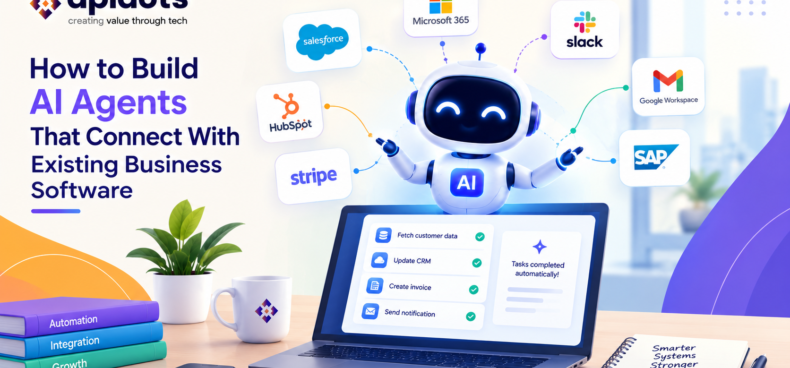
Most businesses already rely on multiple software systems to manage their daily operations. A CRM stores customer information, an ERP manages inventory and finances, accounting software tracks transactions, and project management tools coordinate internal teams. Although these applications support important business functions, they do not always work together seamlessly. Employees often move between platforms to […]
Explore More
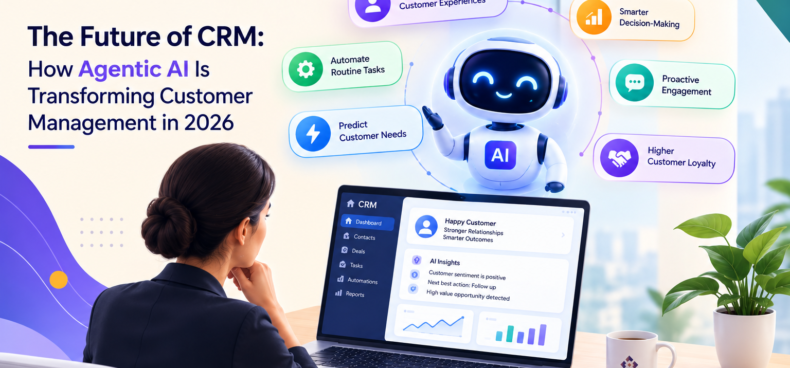
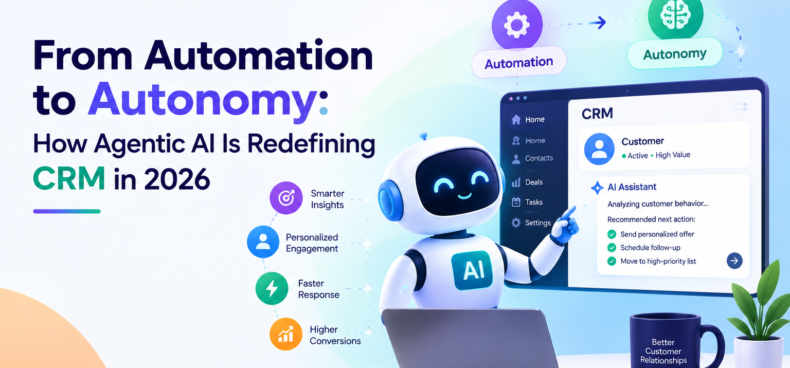
Customer relationship management (CRM) is entering a new phase in 2026. For years, businesses have relied on CRM platforms to store customer information, manage sales pipelines, track interactions, and coordinate marketing and customer service activities. While these capabilities remain essential, organizations increasingly expect CRM systems to do more than record what has already happened. Agentic […]
Explore More
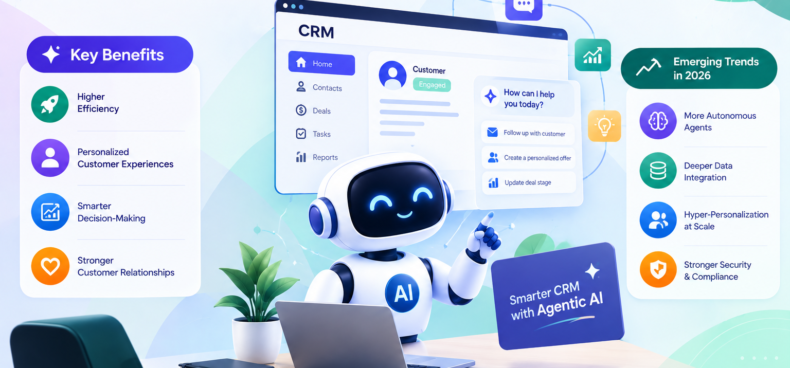
Customer relationship management has traditionally been about recording information: leads, conversations, opportunities, support tickets, purchases, and customer interactions. But the role of CRM is changing. With the rise of agentic AI, CRM platforms are moving beyond simply storing customer information toward systems that can understand context, recommend actions, execute multi-step workflows, and continuously update business […]
Explore More
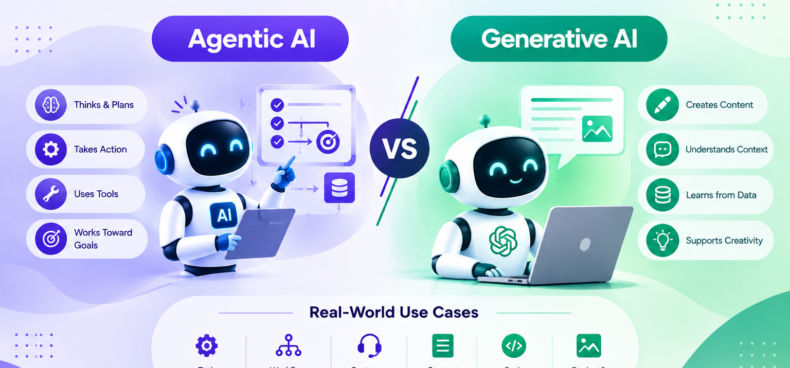
Artificial intelligence is moving beyond systems that simply answer questions or generate content. Businesses are increasingly exploring AI that can interpret a goal, plan multiple steps, interact with software tools, and carry out parts of a workflow with limited human intervention. This shift has brought agentic AI into the spotlight. Generative AI and agentic AI […]
Explore More
Customer relationship management has always been about helping businesses understand their customers, manage interactions, and move opportunities through the sales pipeline. But traditional CRM systems largely depend on people to enter data, update records, create tasks, follow up with leads, and decide what should happen next. That model is changing. In 2026, agentic AI is […]
Explore More
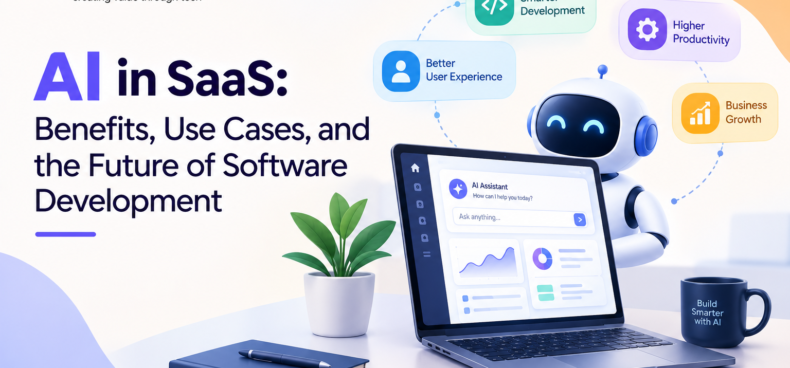
Artificial intelligence is changing what users expect from software. Traditional SaaS applications were largely built around dashboards, workflows, search, reports, and user-driven actions. AI is adding another layer: software can now understand context, generate content, identify patterns, make recommendations, and automate parts of a workflow. This shift is influencing both how SaaS products are built […]
Explore More
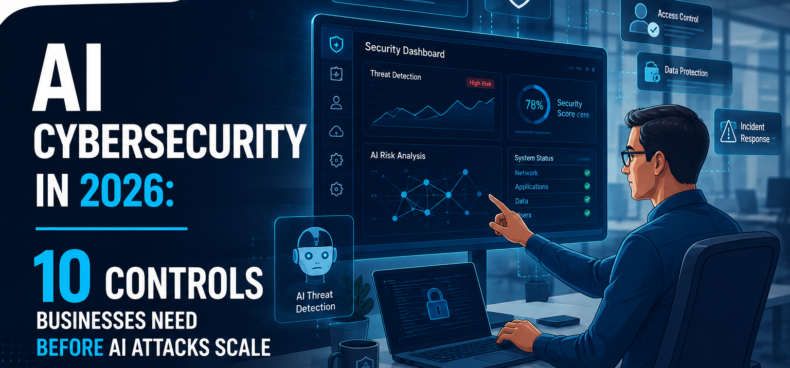
AI adoption is outpacing traditional cybersecurity controls. This guide covers the ten controls businesses need before AI-enabled attacks become faster, more autonomous, and harder to contain. On August 27, 2026, more than 116 organizations signed an open letter. It was titled “A call for collective action on cyber defense.” Signatories included Anthropic, OpenAI, Microsoft, Google, […]
Explore More
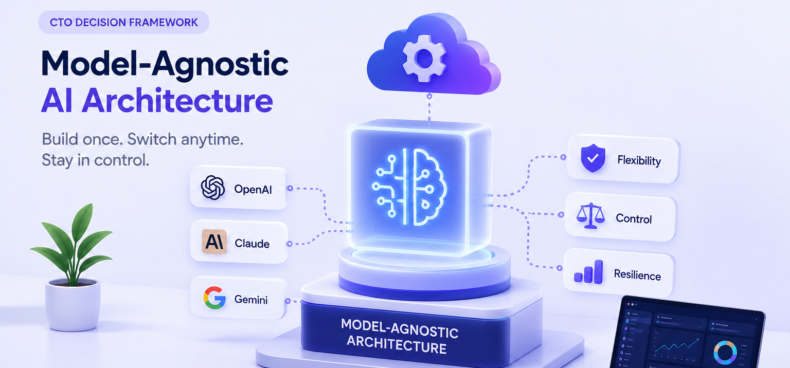
Your AI product should not need a rebuild every time a vendor retires a model or changes its pricing. Here is how to architect for that from day one. Two major AI vendors made unilateral model decisions in the past year. Both broke products built on top of them. If your roadmap depends on one […]
Explore More
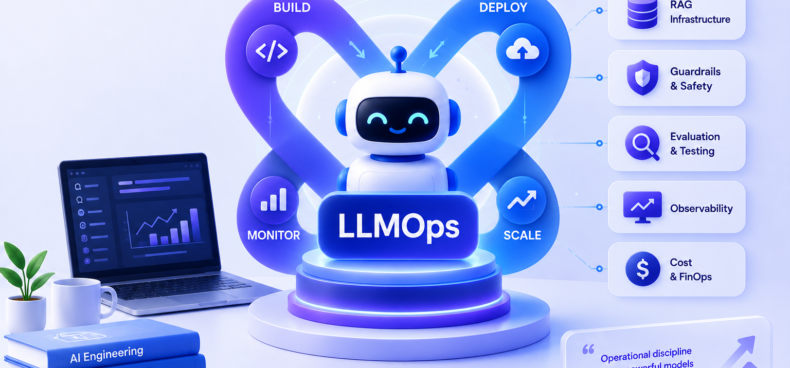
Every enterprise now has an AI pilot running somewhere. Very few have one running in production, reliably, at scale, without blowing up the compute budget or hallucinating in front of a customer. That gap is exactly why LLMOps has become one of the most important disciplines in AI software development heading into 2026. LLMOps is […]
Explore More
A one-click Copilot attack chain turned legitimate user permissions into a potential data-exfiltration path. Here is what CoSnitch teaches engineering leaders about AI agents, identity, and security governance. AI assistants are no longer just answering questions. They’re increasingly connecting to email, documents, calendars, APIs, and enterprise applications. That makes them useful, but it also changes […]
Explore More