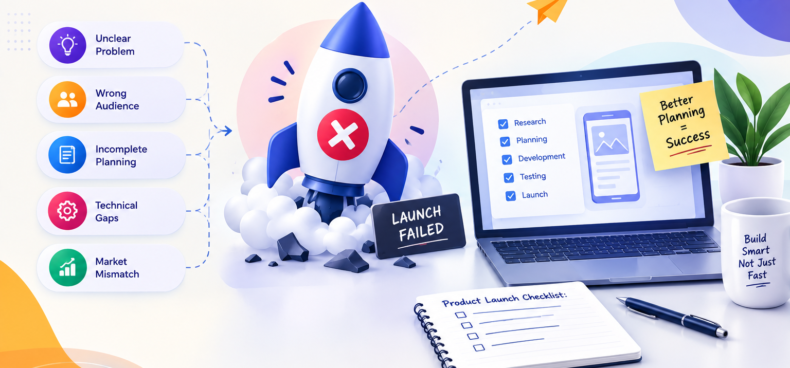
A product launch can look like a technology problem from the outside. There is an idea, a development team, a deadline, a budget, and eventually a launch date. But experienced product teams know that many failures happen much earlier. The first warning signs often appear before a developer writes the first line of code: the […]
Explore More
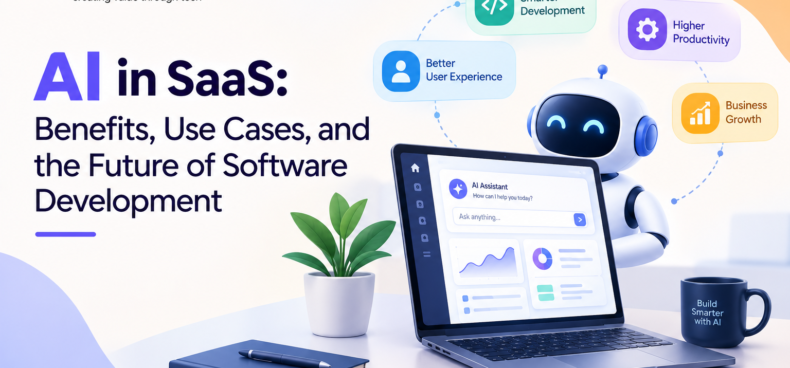
Artificial intelligence is changing what users expect from software. Traditional SaaS applications were largely built around dashboards, workflows, search, reports, and user-driven actions. AI is adding another layer: software can now understand context, generate content, identify patterns, make recommendations, and automate parts of a workflow. This shift is influencing both how SaaS products are built […]
Explore More
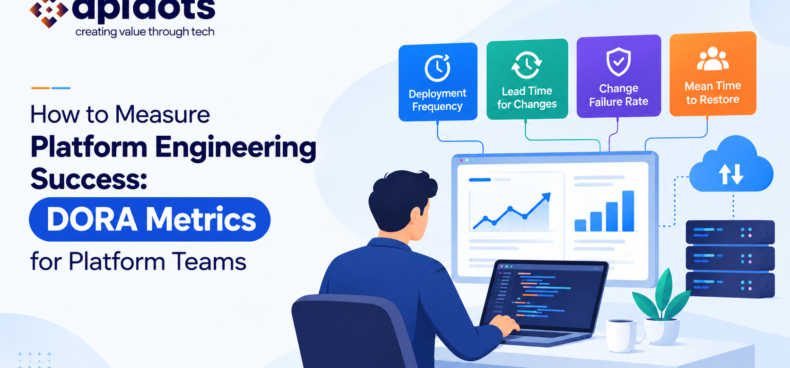
DORA’s five metrics, current benchmarks, and the signals that predict whether a platform is working. A platform team can spend a year building golden paths. It can still get asked the same question in every leadership review. Is any of this actually working? DORA metrics let a platform team answer that question with data instead […]
Explore More
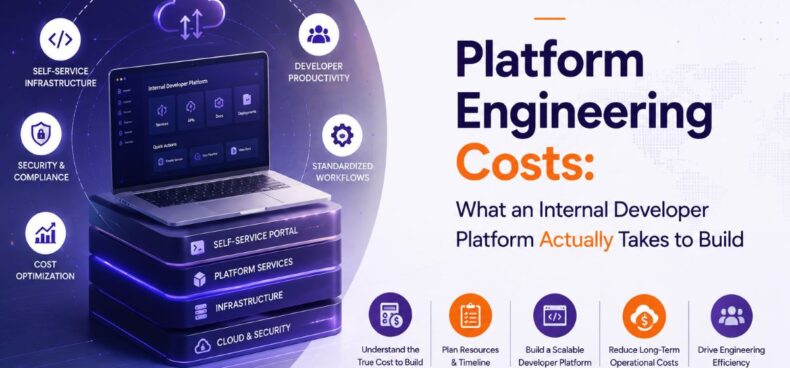
Real Gartner and DORA data on adoption, plus a build vs buy vs. open-source cost framework for CTOs. Platform engineering cost questions rarely start with a number. They start with a team debating whether they even need a dedicated platform team yet. That debate now has real data behind it, not just opinion. Our platform […]
Explore More
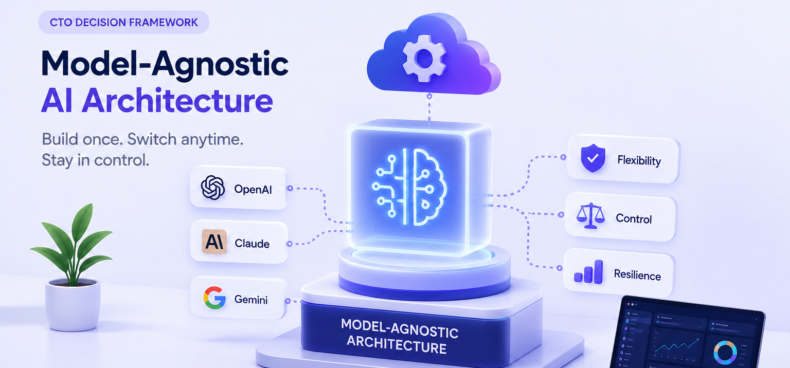
Your AI product should not need a rebuild every time a vendor retires a model or changes its pricing. Here is how to architect for that from day one. Two major AI vendors made unilateral model decisions in the past year. Both broke products built on top of them. If your roadmap depends on one […]
Explore More
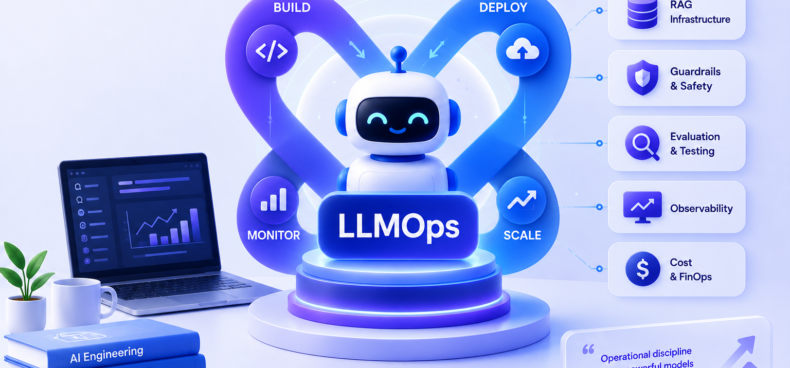
Every enterprise now has an AI pilot running somewhere. Very few have one running in production, reliably, at scale, without blowing up the compute budget or hallucinating in front of a customer. That gap is exactly why LLMOps has become one of the most important disciplines in AI software development heading into 2026. LLMOps is […]
Explore More
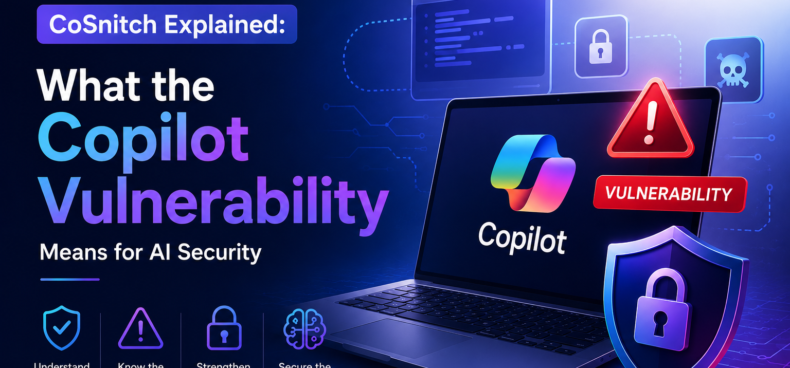
A one-click Copilot attack chain turned legitimate user permissions into a potential data-exfiltration path. Here is what CoSnitch teaches engineering leaders about AI agents, identity, and security governance. AI assistants are no longer just answering questions. They’re increasingly connecting to email, documents, calendars, APIs, and enterprise applications. That makes them useful, but it also changes […]
Explore More
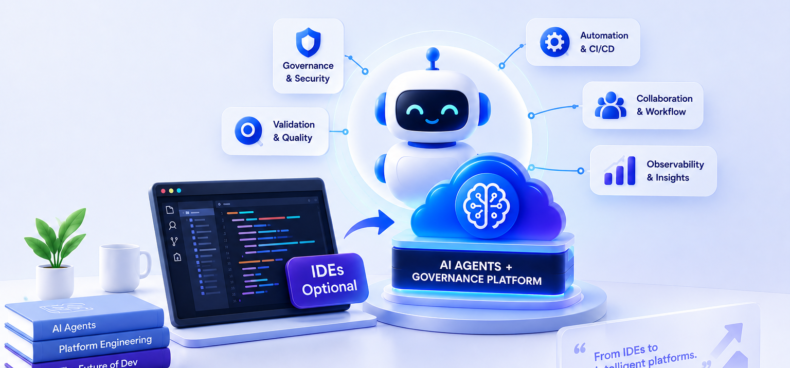
Gartner’s prediction is not about editors disappearing. It is about where governance, validation, and control move as agentic coding becomes more common. Gartner predicts a shift in how engineering teams work. By 2027, over 65% of engineering teams using agentic coding will treat integrated development environments (IDEs) as optional. That doesn’t mean code editors will […]
Explore More
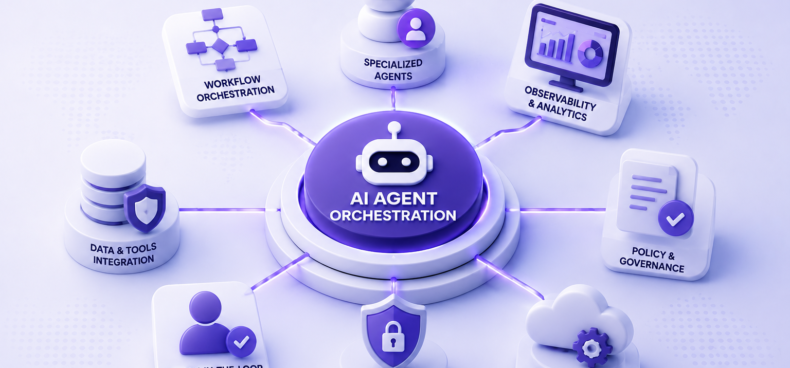
Quick Question How multi-agent orchestration coordinates specialized agents, where an AI agent control plane fits, and how to decide between managed platforms and custom infrastructure. Quick answer AI agent orchestration coordinates how multiple agents divide work, share context, call tools, hand off tasks, and involve humans. An AI agent control plane is a broader operational […]
Explore More
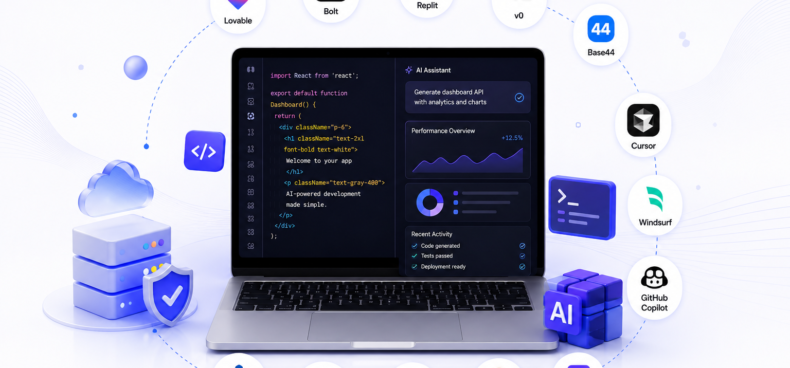
Looking for the best vibe coding tools in 2026? This guide separates prompt-first app builders from repo-first coding agents, compares current pricing and use cases, and highlights major 2026 changes such as Windsurf’s Cognition ownership and Google’s Antigravity CLI transition. The best vibe coding tool depends on the job. If you want to turn a […]
Explore More