
Top
Search
People also search for:

Stay Inspired with Instagram




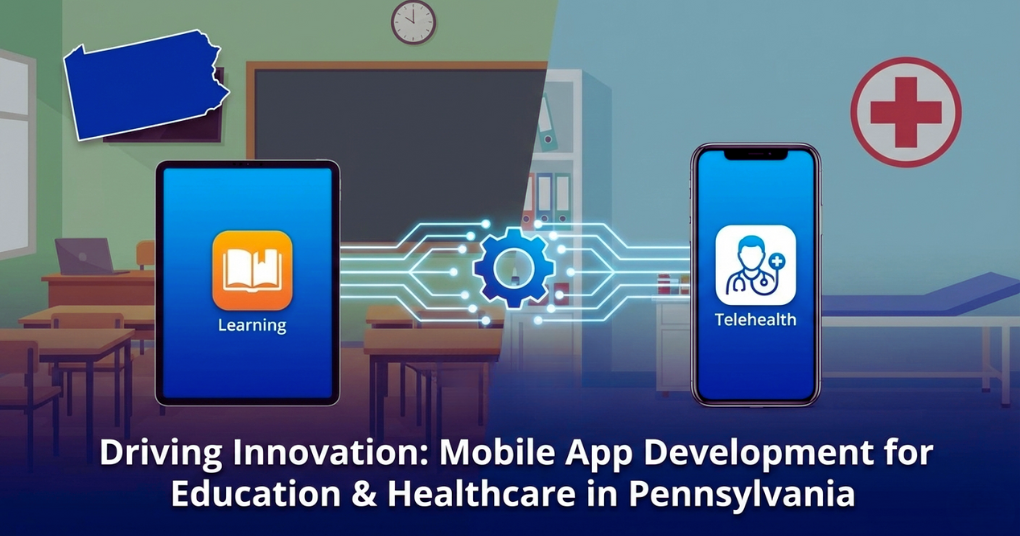
Pennsylvania has always been a state that values progress—whether through its historic universities, advanced healthcare systems, or growing technology ecosystem. Today, that progress is increasingly powered by mobile technology. From classrooms to clinics, organizations across the state are embracing mobile-first solutions to improve access, efficiency, and engagement.
This shift has placed mobile app development in Pennsylvania at the center of digital transformation, especially in two critical sectors: education and healthcare. As EdTech and HealthTech continue to evolve, mobile applications are no longer optional tools—they are essential platforms shaping how people learn, receive care, and interact with institutions.
Smartphone adoption in Pennsylvania mirrors national trends, with mobile devices becoming the primary way people access information and services. Students expect learning materials on demand. Patients want instant access to medical records, appointments, and consultations. Institutions that fail to meet these expectations risk falling behind.
This is why mobile app development in Pennsylvania has gained momentum. Organizations are prioritizing mobile platforms to deliver faster services, personalized experiences, and seamless communication. Mobile apps bridge gaps—geographical, operational, and accessibility-related—making them ideal for education and healthcare environments.
Pennsylvania is home to some of the most respected educational institutions in the United States. From Ivy League universities to community colleges and K–12 school districts, the state supports a diverse education ecosystem. However, traditional learning models alone can no longer support modern student needs.
Mobile applications have emerged as powerful tools to enhance education by:
Mobile apps allow students to access lectures, assignments, and study materials on their own schedules. This flexibility is especially valuable for working students, distance learners, and adult education programs across Pennsylvania.
Gamified lessons, quizzes, progress tracking, and real-time feedback make learning more engaging. Mobile apps bring static content to life, increasing retention and participation.
Messaging features, notifications, and in-app announcements keep students, parents, and educators connected. This transparency strengthens trust and collaboration.
Educational apps collect valuable data on student performance and engagement. Institutions can use these insights to refine curricula and provide targeted support.
Healthcare in Pennsylvania is undergoing rapid digital transformation. Hospitals, clinics, diagnostic centers, and private practices are adopting technology to manage rising patient volumes, regulatory demands, and cost pressures.
Mobile app development in Pennsylvania is playing a major role in addressing these challenges by enabling:
HealthTech solutions built for mobile devices are improving outcomes while reducing administrative burdens.
Mobile healthcare apps empower patients to manage appointments, view test results, receive reminders, and communicate with providers. This accessibility improves adherence to treatment plans and overall satisfaction.
Telehealth adoption surged and continues to grow. Mobile apps enable video consultations, remote monitoring, and virtual follow-ups, making healthcare accessible even in rural parts of Pennsylvania.
With proper compliance and encryption, mobile apps allow secure access to electronic health records while maintaining privacy standards such as HIPAA.
From staff scheduling to billing and reporting, healthcare apps streamline backend processes, allowing providers to focus more on patient care.
EdTech and HealthTech apps require more than basic development. They demand:
Pennsylvania offers a unique blend of advantages for organizations investing in mobile technology:
While each app serves a different purpose, successful mobile solutions often share common features:
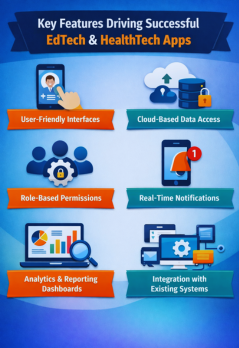
A thoughtful approach to mobile app development in Pennsylvania ensures these features align with user needs and business goals.
Many institutions start with generic platforms, but quickly encounter limitations. Custom mobile apps provide flexibility, scalability, and better integration.
Custom-built solutions allow organizations to:
Successful mobile applications are not built by chance. They are the result of careful planning, thoughtful decision-making, and a clear understanding of long-term goals. While development tools and technologies matter, strategy is what determines whether an app delivers real value or simply becomes another unused download.
In education and healthcare especially, mobile apps must solve real problems while supporting users with very different needs. This is why mobile app success begins long before a single line of code is written.
Every successful app starts with a clearly defined problem. In education, this could be improving student engagement, simplifying remote learning, or reducing administrative workload. In healthcare, it might involve improving patient access, streamlining appointment management, or enabling remote monitoring.
Without a well-defined problem, apps often become overloaded with features that don’t serve a clear purpose. A strategic approach ensures that every function directly supports a specific goal, whether it’s better learning outcomes or improved patient care.
Understanding users is critical. Students, teachers, patients, and healthcare providers all interact with apps differently. A well-planned strategy includes researching user behavior, expectations, and challenges before development begins.
Technology decisions should align with both current needs and future growth. A strategic plan considers factors such as performance, security, integration, and maintenance when selecting the technology stack.
An app that works for 100 users today may need to support thousands tomorrow. Strategy-driven development accounts for growth from the start, ensuring the app can scale without performance issues or major redesigns.
Technology providers like API DOTS have observed this growing demand firsthand, helping education and healthcare organizations design scalable, secure, and user-centric mobile applications aligned with Pennsylvania’s evolving digital landscape.
The future of education and healthcare is mobile-first. As user expectations evolve, institutions must deliver services that are fast, accessible, and intuitive. Mobile apps meet these demands while enabling innovation at scale.
In Pennsylvania, this trend is accelerating due to:
Before investing time and budget into a mobile application, organizations—especially in education and healthcare—need to evaluate several critical factors. A thoughtful planning phase reduces risk, avoids costly rework, and ensures the final product delivers long-term value rather than short-term functionality.
The success of any mobile app depends on how well it serves its users. Organizations must clearly identify who will use the app and how they will interact with it. In education, this may include students, teachers, administrators, or parents. In healthcare, users can range from patients and caregivers to doctors, nurses, and support staff.
Understanding user behavior involves analyzing:
An app designed without considering real user habits often feels confusing or unnecessary. By studying user expectations early, organizations can design experiences that feel intuitive, engaging, and genuinely helpful.
Security is non-negotiable in both education and healthcare environments. These sectors handle sensitive personal data, academic records, and medical information that must be protected at all times.
Before development begins, organizations should clearly define:
Building security into the app from the start is far more effective than trying to fix vulnerabilities after launch. A proactive approach helps maintain trust, avoid compliance issues, and protect both users and institutions.
Most organizations already rely on multiple digital systems—student information systems, learning management platforms, electronic health records, billing software, or internal databases. A new mobile app should not operate in isolation.
Careful planning is required to ensure seamless integration with existing tools. This includes:
Well-integrated mobile apps improve efficiency by reducing manual work and ensuring users always access accurate, up-to-date information.
Launching an app is only the beginning. Mobile applications require ongoing maintenance to remain secure, compatible, and relevant. Organizations must plan for regular updates, performance monitoring, and feature enhancements.
Long-term considerations include:
By planning for maintenance early, organizations avoid unexpected costs and ensure their app continues to deliver value well into the future.
Education and healthcare shape the future of Pennsylvania. By embracing mobile-first strategies, institutions can expand access, improve engagement, and deliver better outcomes for students and patients alike.
Mobile technology is no longer a supporting tool—it is a foundational platform for growth. Organizations that invest wisely in mobile app development in Pennsylvania are positioning themselves to lead, innovate, and serve their communities more effectively.
As EdTech and HealthTech continue to evolve, one thing is clear: mobile apps will remain at the heart of progress—driving innovation where it matters most.
We design and develop secure, high-performance web and mobile applications.Ensuring scalability, reliability, and long-term product success.
Hire App Developers